





Soil Moisture Conservation Works
Soil and moisture conservation works are vital in degraded forest areas because they help control erosion, improve soil structure, and increase water infiltration. In degraded lands, rainwater often flows away quickly, carrying fertile soil with it. By slowing this runoff, more water seeps into the ground, which raises the water table and improves soil moisture—key conditions needed for natural regeneration and successful growth of new saplings. As vegetation becomes denser, it further anchors the soil, reduces future erosion, and creates a self-sustaining cycle of forest restoration. Over time, this leads to healthier ecosystems with improved biodiversity and more resilient vegetation cover.
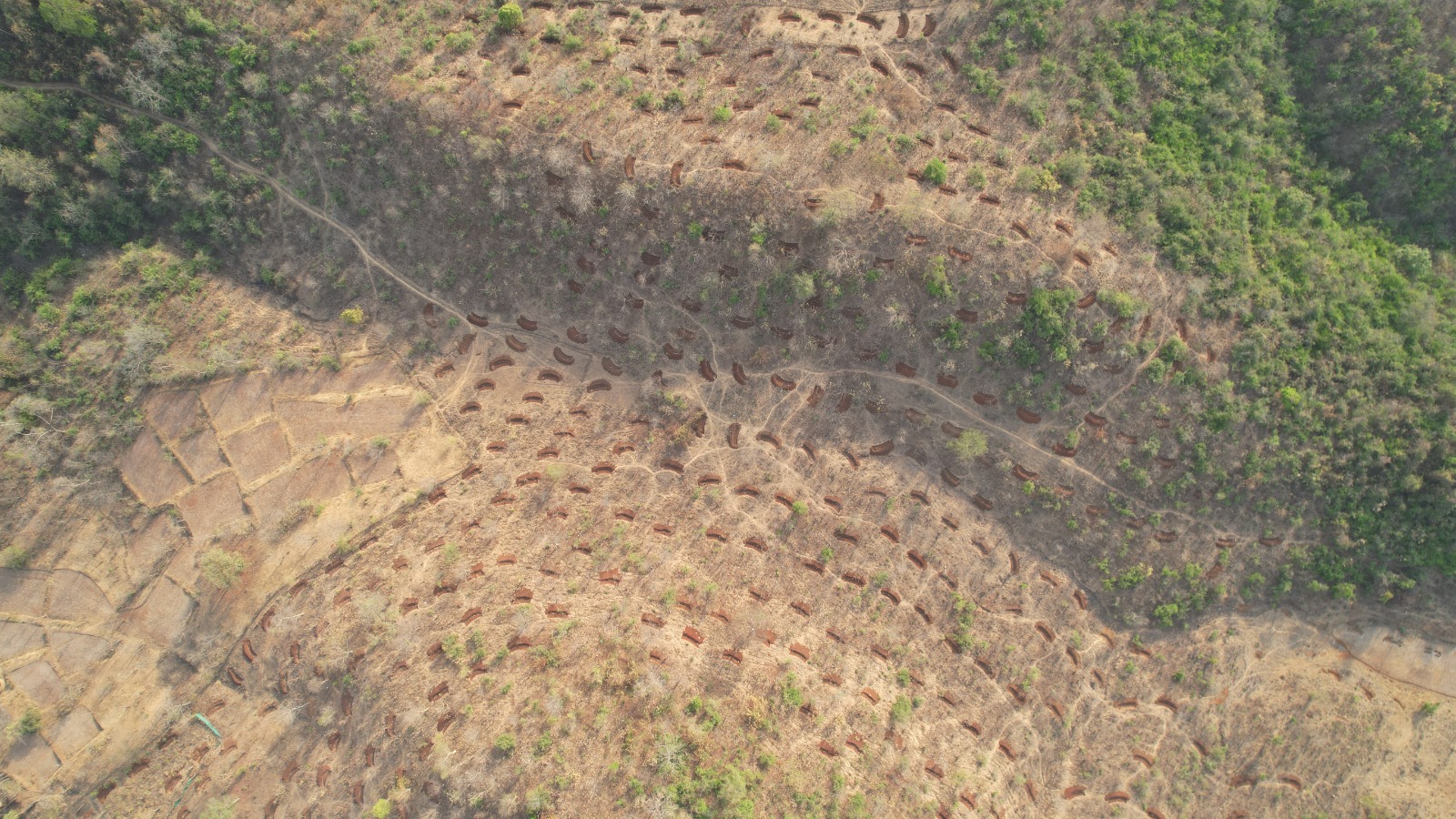
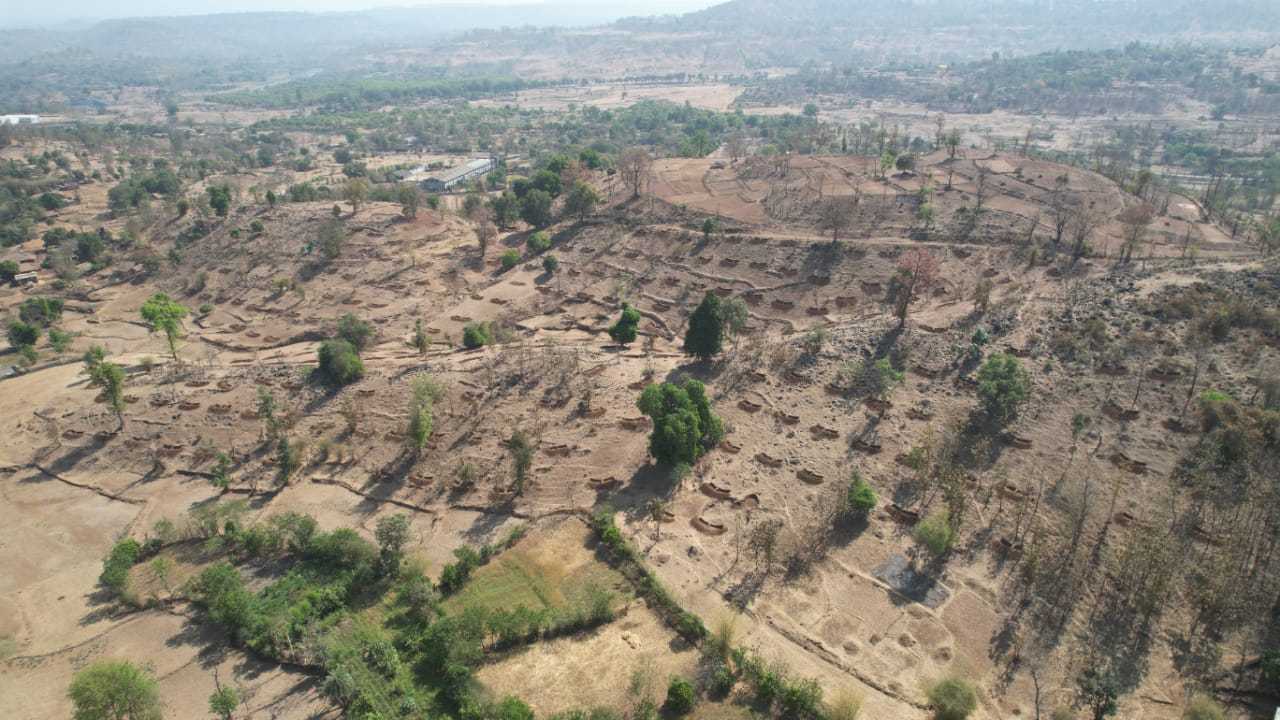
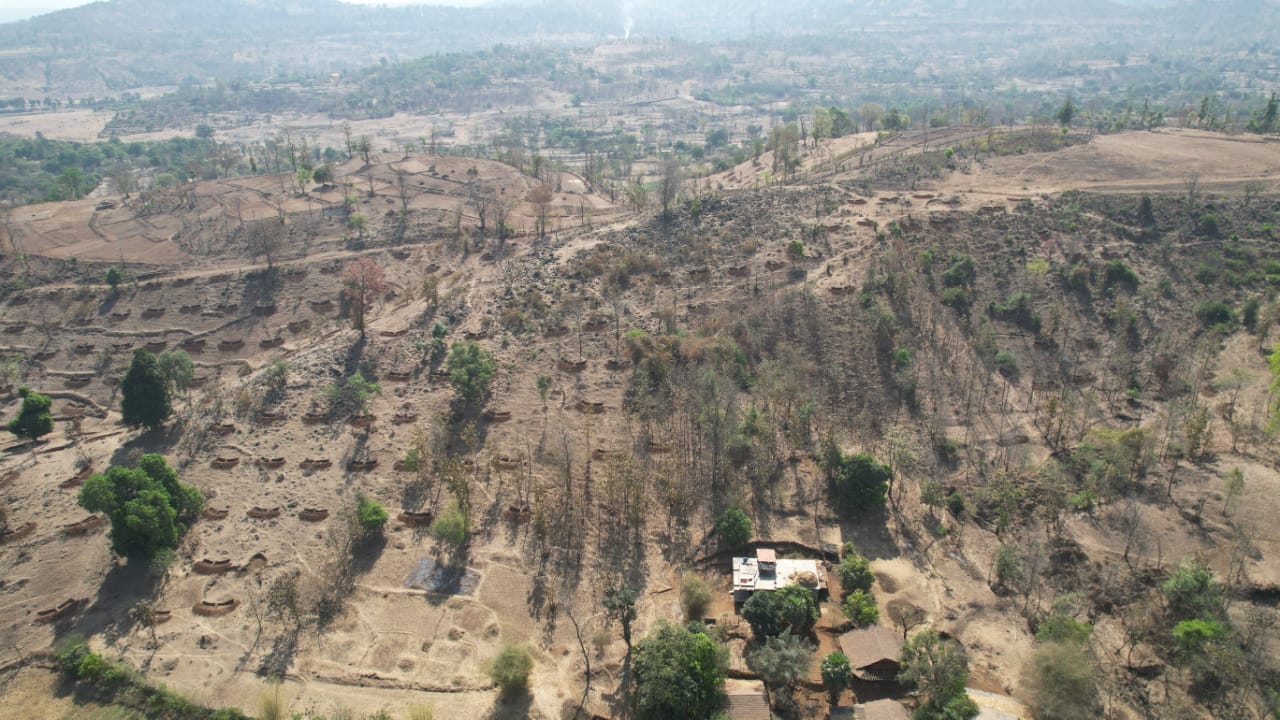
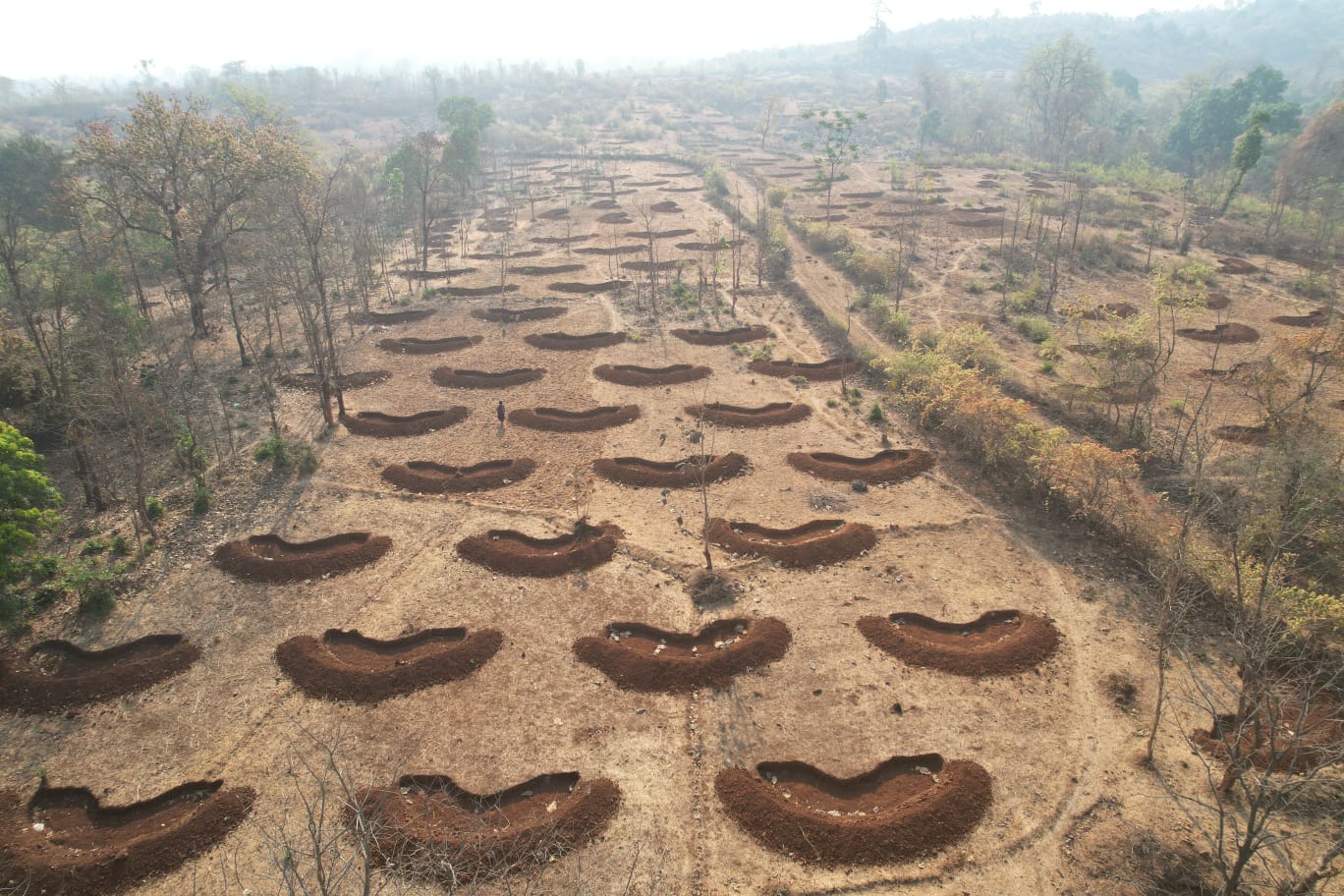
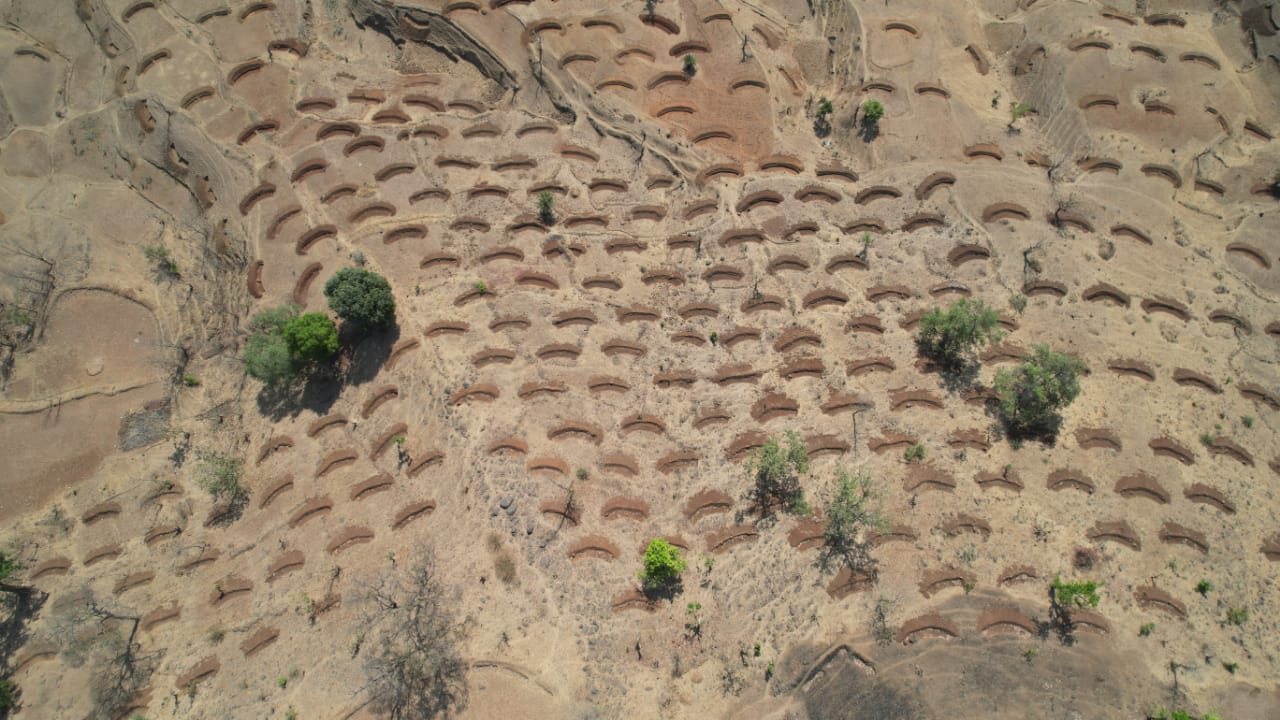
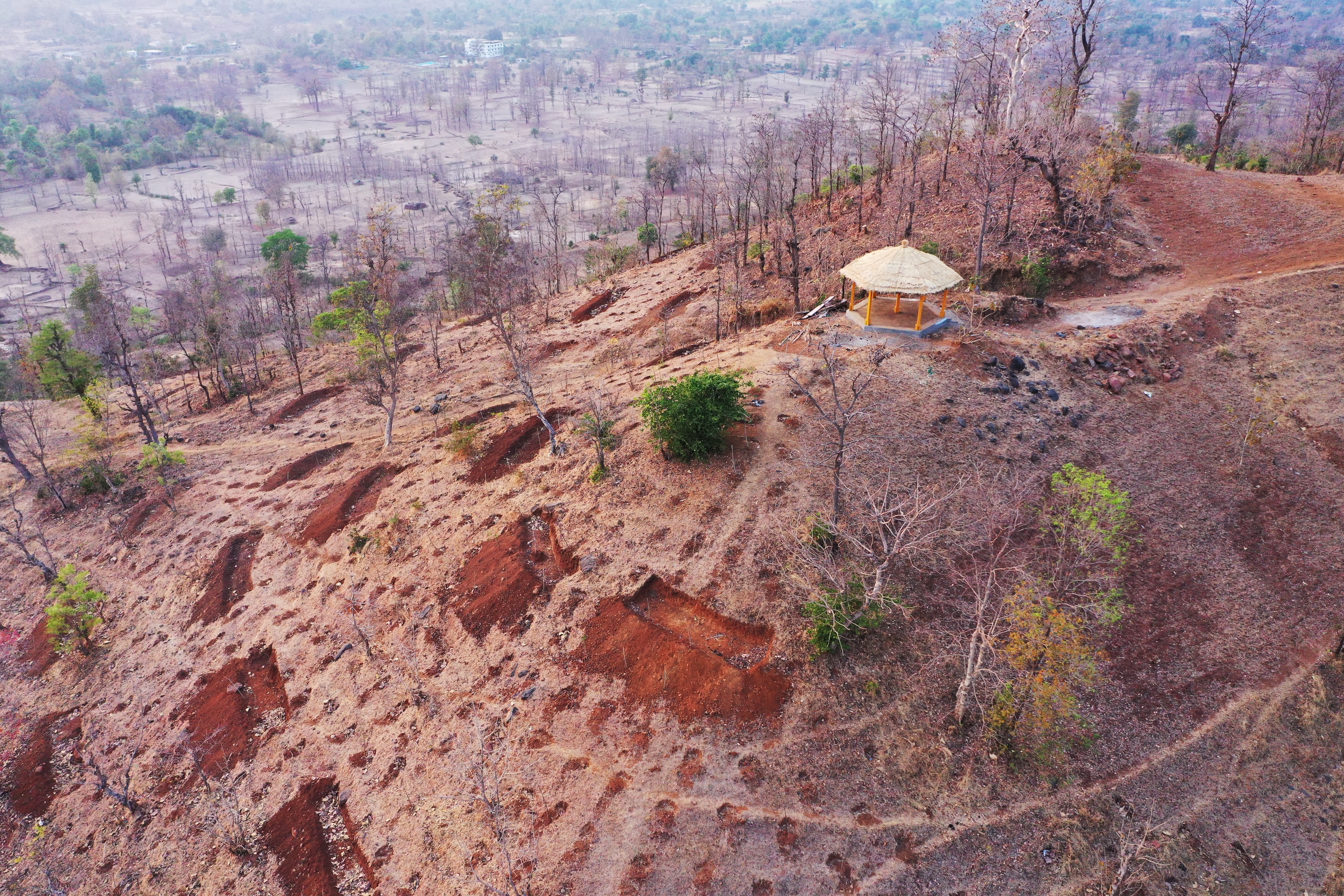
To achieve these improvements, various soil and water conservation methods are employed. Check dams, boribunds, brushwood check dams, contour trenches, staggered trenches, gully plugs, and vegetative barriers all help slow down water flow, trap silt, and enhance percolation. These structures create small water pools and moist patches that serve as dependable drinking sources for wildlife, especially during dry months. By improving both habitat quality and water availability, they play a crucial role in supporting forest regeneration and sustaining wild animal populations.